Why Do I Eat More in the Winter? Understanding Seasonal Hunger and Cravings
If you feel hungrier or notice yourself eating differently during the winter, you are not necessarily imagining it. Research suggests that food and energy intake can vary by season, with some studies finding higher intake during winter compared with warmer months.
There is no single reason this happens. Colder temperatures, shorter days, changes in activity, sleep and mood, and a calendar filled with food-centered holidays can all influence appetite and eating habits.
Winter does not automatically cause weight gain, and not everyone experiences the same changes. But understanding what may be influencing your appetite can make seasonal eating patterns easier to recognize.
Why Am I Hungrier in the Winter?
Seasonal appetite is influenced by both biology and environment.
A review of research on seasonal eating found that changes in temperature, daylight, physical activity, emotions, holidays, and social events may all contribute to differences in how much people eat throughout the year. Research has also found an association between winter and higher overall energy intake.
That does not mean the body automatically requires a large amount of extra food simply because it is winter.
Instead, several small seasonal changes may occur at the same time.
Does Cold Weather Make You Hungrier?
Cold temperatures can affect how the body uses energy to maintain its internal temperature, but the relationship between cold weather and appetite is complicated.
Most people today spend much of winter in heated homes, workplaces, cars, and other indoor environments. That makes everyday winter living different from prolonged exposure to extreme cold.
Research suggests temperature may still influence appetite and energy balance, but it is only one part of the picture. Seasonal changes in daylight, routines, activity, and social eating may be equally important.
So if you feel hungrier during winter, cold weather may play a role, but it is probably not the only explanation.
Can Shorter Days Affect Appetite?
Winter brings fewer daylight hours, which can change sleep schedules, activity patterns, mood, and daily routines.
These changes may indirectly affect eating behavior.
For example, spending more time indoors may create more opportunities to snack, while disrupted sleep can affect when and how people eat. Seasonal changes in emotions and appetite-related biological signals are also being studied as possible contributors to winter eating patterns.
The effect varies considerably from person to person.
Why Do We Crave Warm or Heavier Foods in Winter?
Food preferences often change with the season.
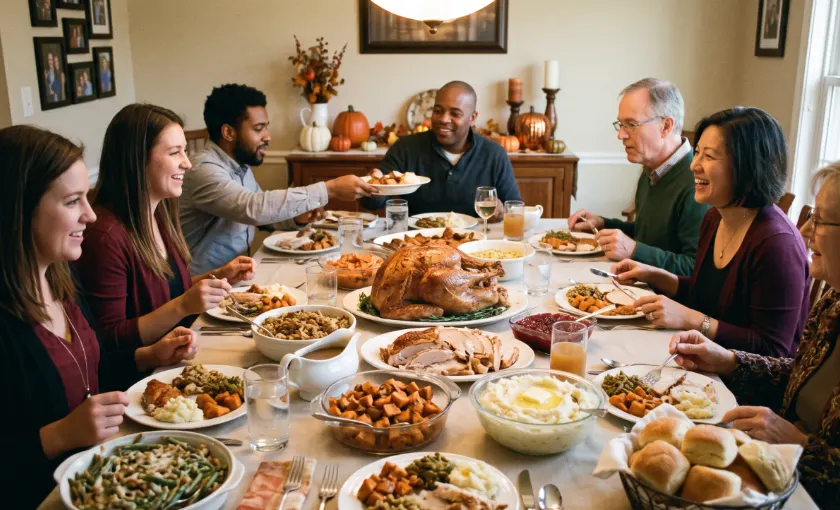
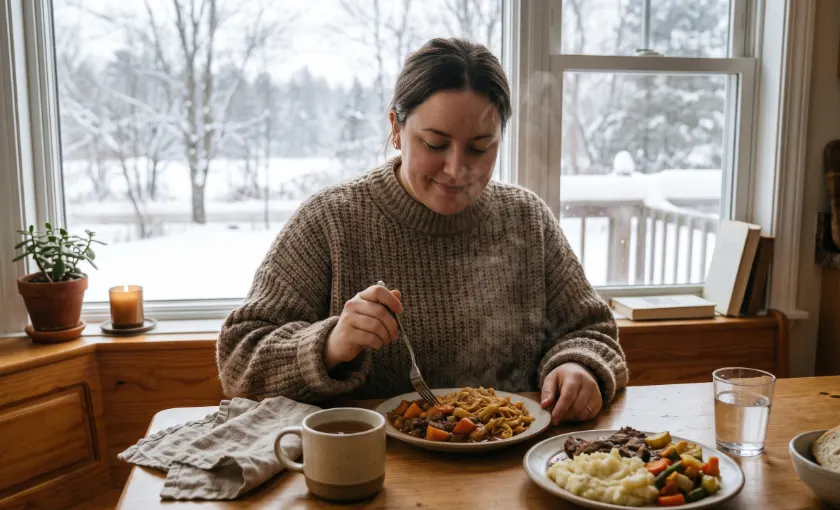
Cold weather tends to make warm meals such as soups, casseroles, pasta dishes, baked foods, and other comfort foods more appealing. Winter also overlaps with a number of holidays and social traditions built around food.
That can mean:
- More meals with family and friends
- More desserts and seasonal foods
- Larger restaurant or party meals
- More leftovers at home
- More frequent snacks at gatherings
- Changes to normal eating schedules
Research examining seasonal eating has identified holidays, social events, eating out, and environmental changes as possible contributors to higher food intake during winter.
This does not mean those foods need to be avoided. It simply means your eating environment may look very different in December than it does in July.
Are People Less Active During Winter?
For many people, yes.
Shorter daylight hours, colder temperatures, rain, snow, and changes in schedules can make outdoor activity less convenient.
Research reviewing seasonal physical activity has found that physical activity may be lower and sedentary time higher during winter in some populations.
That means winter can sometimes create two changes at once: eating patterns shift while everyday movement decreases.
Again, this is not universal. Some people maintain the same activity level year-round, and others are more active during winter because of seasonal sports or indoor exercise.
Do the Holidays Affect How Much We Eat?
They can.
From Thanksgiving through New Year's, many people encounter more food-centered events than they do during the rest of the year.
A typical week may suddenly include:
- Office celebrations
- Family dinners
- Restaurant meals
- Holiday parties
- Baking
- Travel
- Leftovers
- Changes to normal meal schedules
Research on seasonal energy intake has identified social events and increased eating out during winter vacations as potential contributors to increased intake.
There is nothing inherently unhealthy about enjoying holiday food. The difference is that several weeks of unusual eating patterns can feel very different from one special meal.
Does Everyone Gain Weight in the Winter?
No.
Seasonal changes in appetite and body weight vary substantially among individuals.
Some people notice that they are hungrier, snack more often, or become less active during winter. Others notice little change.
Genetics, metabolism, sleep, medications, health conditions, activity, food environment, and personal routines all influence weight regulation.
That is why winter weight changes should not automatically be reduced to a lack of discipline or willpower.
How Can You Handle Winter Hunger Without Starting Another Diet?
You do not necessarily need a special winter diet.
Instead, it may help to keep some consistency in your routine while still enjoying seasonal foods.
For example:
- Eat regular meals rather than repeatedly skipping meals and becoming extremely hungry later.
- Include foods with protein, fiber, and other nutrients that help make meals satisfying.
- Keep enjoyable forms of physical activity in your routine when possible.
- Pay attention to whether you are physically hungry or simply eating because food is readily available.
- Maintain a reasonably consistent sleep schedule.
- Enjoy holiday foods without treating the season as an all-or-nothing period.
The goal is not perfect eating.
A pattern you can maintain is generally more useful than repeatedly switching between strict diets and periods of eating very differently.
Why Does Losing Weight Sometimes Feel Harder Than Just Eating Less?
Body weight is influenced by more than food choices alone.
Appetite regulation, genetics, hormones, metabolism, medications, sleep, medical conditions, activity, and environment can all affect weight.
This is one reason obesity is now treated as a chronic disease rather than simply a matter of willpower.
For some people, changes to nutrition and physical activity lead to meaningful and lasting results. Others may lose weight and later regain it despite repeated efforts.
When that pattern continues, it may be worth discussing medical treatment rather than simply trying another short-term diet.
What If Weight Management Feels Like the Same Cycle Every Year?
Winter can make an existing pattern more noticeable.
Someone may spend January trying to lose weight, make progress for a period of time, regain some of that weight later in the year, and then begin the same process again after the holidays.
If that cycle continues year after year, the bigger question may not be:
“How do I eat less this winter?”
It may be:
“What long-term treatment approach makes sense for my health?”
Depending on the individual, treatment for obesity may include nutrition support, physical activity, behavioral treatment, medications, metabolic and bariatric surgery, or a combination of approaches.
When Bariatric Surgery May Be a Long-Term Option
Metabolic and bariatric surgery is a medical treatment for obesity.
Procedures such as sleeve gastrectomy and gastric bypass change the digestive system in ways that can affect food intake, fullness, appetite, metabolism, and weight regulation.
For appropriately selected patients, bariatric surgery can produce substantial and durable weight loss and improve obesity-related conditions such as type 2 diabetes, high blood pressure, unhealthy cholesterol levels, sleep apnea, and joint pain.
Current ASMBS/IFSO guidelines recommend metabolic and bariatric surgery for adults with a BMI of 35 or higher regardless of the presence of obesity-related conditions. Surgery may also be considered for some adults with a BMI between 30 and 34.9 when metabolic disease is present or when nonsurgical methods have not resulted in substantial or durable improvement.
Eligibility should always be determined through an individual medical evaluation.
Bariatric Surgery Is Not a Seasonal Diet
Bariatric surgery should not be viewed as a way to avoid holiday eating decisions.
It is a long-term obesity treatment.
Patients still need ongoing nutrition, physical activity, vitamin supplementation, medical monitoring, and other lifestyle changes after surgery. Long-term follow-up is an important part of bariatric care.
The difference is that surgery can provide an additional physiological tool for eligible patients whose obesity has not been adequately treated through nonsurgical approaches alone.
That is very different from repeatedly attempting to follow a restrictive diet every winter.
Talk With BASS Bariatric Surgery About Long-Term Weight-Loss Options
Feeling hungrier or eating differently during winter does not automatically mean something is wrong.
Seasonal changes in daylight, temperature, activity, routines, and holiday traditions can all influence eating behavior.
But if maintaining or losing weight has become an ongoing concern rather than a seasonal one, it may be worth looking beyond another short-term diet.
For appropriately selected adults with obesity, metabolic and bariatric surgery may provide a more durable treatment option.
The team at BASS Bariatric Surgery Center can evaluate your health history, previous weight-loss efforts, and goals and help you understand whether procedures such as sleeve gastrectomy or gastric bypass may be appropriate.
Frequently Asked Questions
Why do I feel hungrier in the winter?
There is no single explanation. Seasonal changes in temperature, daylight, activity levels, mood, holidays, and social eating may all affect appetite and food intake. Studies have found that energy intake can be higher during winter in some populations.
Does cold weather make you eat more?
Cold temperatures may influence metabolism and appetite, but cold weather alone does not explain winter eating patterns. Shorter days, lower activity levels, holiday events, food availability, sleep, and other behavioral factors can also contribute.
Is winter weight gain inevitable?
No. Appetite, activity, and weight changes vary considerably from person to person. Maintaining regular eating, activity, and sleep routines may help, but there is no requirement that someone gain weight simply because it is winter.
Why do I crave comfort foods when it is cold?
Warm, familiar foods may become more appealing during colder weather, and winter also includes many food-centered holidays and social events. Both environmental and social factors can influence what and how much people eat.
Can bariatric surgery help with long-term weight management?
For appropriately selected adults with obesity, metabolic and bariatric surgery can produce substantial and durable weight loss and may improve several obesity-related health conditions. Surgery still requires lifelong nutrition, lifestyle, and medical follow-up.