.webp)
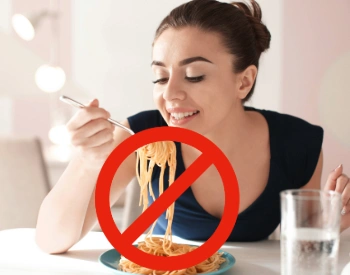
What Can You Never Eat Again After Gastric Sleeve Surgery?
One of the most common questions patients ask before bariatric surgery is: "What can I never eat again after gastric sleeve surgery?"
Many people worry that weight loss surgery means giving up all of their favorite foods forever. Fortunately, that is usually not the case.
While gastric sleeve surgery changes how much you can eat and how your body responds to certain foods, there are very few foods that are permanently prohibited for every patient. The goal is not perfection. The goal is developing healthier eating habits that support long-term weight loss and overall health.
That said, some foods are much more difficult to tolerate after surgery and may need to be avoided or significantly limited.
How Does Gastric Sleeve Surgery Change Eating?
During gastric sleeve surgery, approximately 75% to 80% of the stomach is removed, leaving behind a narrow sleeve-shaped stomach.
As a result:
- You feel full much faster
- Portion sizes become much smaller
- Hunger hormones are reduced
- Eating too quickly can cause discomfort
- Certain foods may be harder to tolerate
Most patients discover that their relationship with food changes significantly after surgery.
Are There Any Foods You Can Truly Never Eat Again?
For most patients, no.
There is no universal list of foods that every gastric sleeve patient is permanently forbidden from eating.
However, there are foods that bariatric surgeons and dietitians commonly recommend limiting because they can:
- Slow weight loss
- Contribute to weight regain
- Cause digestive discomfort
- Increase calorie intake without providing meaningful nutrition
The focus is typically on moderation rather than complete lifelong elimination.
Foods That Often Cause Problems After Gastric Sleeve Surgery
Sugary Foods and Desserts
Many patients find that cakes, cookies, candy, and other sweets no longer sit well after surgery.
These foods can:
- Add unnecessary calories
- Trigger cravings
- Interfere with weight loss goals
- Cause nausea or discomfort in some patients
While occasional treats may be possible later, sugary foods are generally best limited.
Sugary Drinks
Liquid calories are one of the biggest challenges after bariatric surgery.
Examples include:
- Soda
- Sweet tea
- Energy drinks
- Specialty coffee beverages
- Fruit drinks with added sugar
Because liquids pass through the stomach quickly, they can add significant calories without providing lasting fullness.
Carbonated Beverages
Many bariatric programs recommend avoiding carbonation, especially during the early recovery period.
Carbonated drinks may contribute to:
- Bloating
- Gas
- Abdominal discomfort
- Difficulty meeting hydration goals
Fried Foods
High-fat fried foods can be difficult for some patients to tolerate after surgery.
Examples include:
- French fries
- Fried chicken
- Onion rings
- Fast-food items
These foods are often high in calories while providing limited nutritional value.
Highly Processed Snack Foods
Chips, crackers, and similar snack foods can be easy to overconsume and may slow progress toward weight loss goals.
Why Is Protein So Important After Gastric Sleeve Surgery?
Following surgery, protein becomes a priority.
Protein helps:
- Preserve muscle mass
- Support healing
- Promote satiety
- Maintain long-term metabolic health
Common protein sources include:
- Lean meats
- Fish
- Eggs
- Greek yogurt
- Cottage cheese
- Protein shakes
- Legumes
Many bariatric patients learn to eat protein first at each meal.
Are There Foods That May Be Difficult to Tolerate?
Some foods can be harder to digest after surgery, particularly during the first several months.
Examples may include:
- Tough cuts of meat
- Dry chicken breast
- Bread
- Rice
- Pasta
- Fibrous vegetables
Tolerance varies from person to person.
A food that causes discomfort for one patient may be tolerated perfectly well by another.
Can You Ever Eat Pizza, Burgers, or Dessert Again?
Many patients eventually enjoy occasional indulgences in moderation.
The difference is that after gastric sleeve surgery:
- Portions are much smaller
- Nutritional priorities change
- Overeating becomes uncomfortable
- Health goals often influence food choices
Successful long-term patients typically focus on consistency rather than perfection.
What Eating Habits Matter More Than Specific Foods?
Long-term success often depends more on habits than on individual foods.
Healthy habits include:
- Eating slowly
- Chewing thoroughly
- Prioritizing protein
- Drinking enough water
- Avoiding mindless snacking
- Following follow-up recommendations
- Taking prescribed vitamins
These behaviors often have a greater impact than any single food choice.
Frequently Asked Questions
Can I ever eat bread again after gastric sleeve surgery?
Many patients can tolerate bread in moderation after recovery, although some find it uncomfortable or filling.
Can I drink soda after gastric sleeve surgery?
Most bariatric programs recommend avoiding carbonated beverages because they may contribute to bloating and discomfort.
Can I eat sweets after gastric sleeve surgery?
Occasional treats may be possible for some patients, but sugary foods should generally be limited to support long-term weight loss.
What foods should I focus on after gastric sleeve surgery?
Protein-rich foods, vegetables, fruits, and nutrient-dense meals typically form the foundation of a healthy post-surgery diet.
The Bottom Line
If you're wondering what you can never eat again after gastric sleeve surgery, the answer may be reassuring. Most patients are not permanently banned from specific foods. Instead, surgery encourages healthier eating habits, smaller portions, and better nutritional choices.
Some foods may become difficult to tolerate, while others may need to be limited to support long-term weight loss. The most successful patients focus on consistency, balance, and sustainable habits rather than strict lifelong deprivation.
Learn More About Gastric Sleeve Surgery
At BASS Bariatric Surgery Center, we help patients understand every aspect of life after weight loss surgery, including nutrition, lifestyle changes, and long-term success strategies.
Schedule a consultation to learn whether gastric sleeve surgery may be right for you and what to expect before and after your procedure.