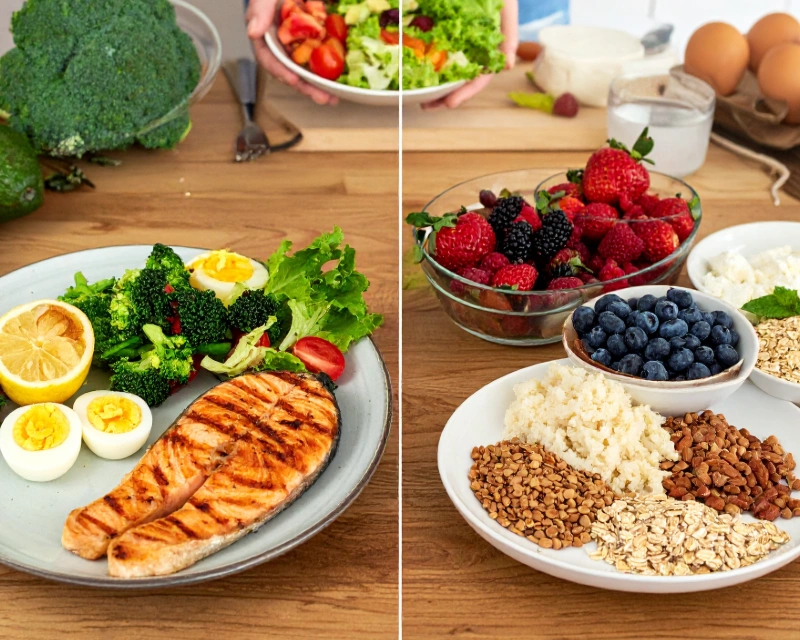
High-Protein vs. High-Fiber Diets: Which Matters More for Weight Loss?
Many popular weight loss plans focus heavily on either protein or fiber. High-protein diets are often promoted for helping people feel full and maintain muscle, while high-fiber diets are commonly recommended for appetite control and digestive health.
The reality is that both nutrients play an important role in healthy, sustainable weight loss. Rather than choosing one over the other, most people benefit from a balanced approach that includes adequate protein and fiber together.
Why Protein Matters for Weight Loss
Protein helps support several processes that are important during weight loss.
One major benefit is satiety. Protein-rich foods tend to help people feel fuller for longer after eating, which may reduce snacking or overeating later in the day.
Protein also helps preserve lean muscle mass while losing weight. This becomes especially important during calorie reduction because the body can lose muscle along with fat if protein intake is too low.
Some studies also suggest that protein requires slightly more energy for the body to digest compared to fats or carbohydrates. While this effect alone is not enough to cause major weight loss, it may modestly support metabolism.
Common high-protein foods include:
- Chicken and turkey
- Fish and seafood
- Eggs
- Greek yogurt
- Cottage cheese
- Tofu and tempeh
- Beans and lentils
- Protein shakes or supplements
Why Fiber Matters for Weight Loss
Fiber is a type of carbohydrate that the body does not fully digest. It plays a major role in digestive health, but it also affects hunger and eating patterns.
High-fiber foods often take longer to digest and can help people feel satisfied after meals. Fiber may also help slow stomach emptying and reduce rapid spikes in blood sugar, which can contribute to cravings or increased hunger later.
Many fiber-rich foods are also naturally lower in calorie density. Foods like vegetables, beans, fruit, and whole grains can help people eat satisfying portions without consuming excessive calories.
In addition to weight management, fiber supports:
- Digestive regularity
- Heart health
- Blood sugar control
- Gut microbiome health
Examples of high-fiber foods include:
- Vegetables
- Fruits
- Beans and legumes
- Oats
- Whole grains
- Chia seeds and flaxseed
- Nuts
Which Is Better for Weight Loss?
There is no single winner between protein and fiber because they work differently.
Protein is especially important for:
- Preserving muscle during weight loss
- Supporting fullness after meals
- Recovery after exercise
Fiber is especially important for:
- Appetite control
- Digestive health
- Creating more filling meals with fewer calories
People who focus only on protein sometimes unintentionally eat fewer fruits, vegetables, and whole grains, which can reduce fiber intake and affect digestion.
On the other hand, diets high in fiber but very low in protein may leave some people feeling hungry sooner or losing muscle mass during weight loss.
For most individuals, the best long-term strategy includes both nutrients together.
How to Combine Protein and Fiber in Meals
Balanced meals often help with consistency and long-term success.
Examples include:
- Greek yogurt with berries and chia seeds
- Eggs with vegetables and whole grain toast
- Grilled chicken with roasted vegetables and brown rice
- Salmon with quinoa and broccoli
- Lentil soup with added lean protein
- Cottage cheese with fruit and nuts
Pairing protein and fiber together may help improve fullness more than focusing on one nutrient alone.
What About Weight Loss Surgery Patients?
For bariatric surgery patients, protein intake is typically prioritized early after surgery to support healing and preserve muscle mass.
However, fiber also becomes important over time for digestive health and balanced nutrition. Because portion sizes are smaller after surgery, patients often need guidance to make sure they are meeting both protein and fiber goals appropriately.
A bariatric team or registered dietitian can help create a nutrition plan based on individual needs, medical conditions, and stage of recovery.
Final Thoughts
High-protein and high-fiber diets are often presented as competing approaches to weight loss, but both nutrients provide important benefits.
Protein helps maintain muscle and supports fullness, while fiber promotes digestive health and can help control appetite. Most sustainable weight loss plans include a balance of both rather than focusing too heavily on one alone.
Healthy weight management is usually less about eliminating entire food groups and more about building consistent eating habits that support long-term health.
If you are struggling with weight management or looking for medically guided treatment options, the team at BASS Bariatric Surgery & Weight Management can help you explore personalized approaches to long-term weight loss and nutrition.


.webp)