
Do GLP-1 Weight Loss Drugs Cause Bone Loss? What New Research Says
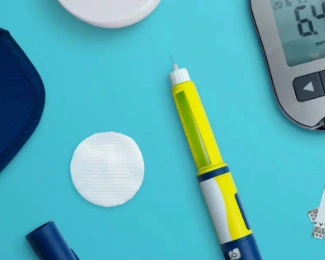
GLP-1 medications such as Ozempic®, Wegovy®, and Zepbound™ have become some of the most widely prescribed drugs for weight loss and type 2 diabetes. Millions of patients have used them to lose significant weight.
But as their popularity grows, so does the research into long-term side effects of GLP-1 medications.
A new analysis presented at the American Academy of Orthopaedic Surgeons annual meeting in 2026 suggests that GLP-1 drugs may be linked to a higher risk of osteoporosis and gout in some patients.
While the increase in risk appears modest, the findings raise important questions about how rapid weight loss and appetite suppression may affect bone health over time.
What the New Study Found
Researchers analyzed five years of medical records from more than 146,000 adults with obesity and type 2 diabetes.
The study compared patients who were prescribed GLP-1 medications with those who were not.
Their findings showed:
- Osteoporosis: About 4% of GLP-1 users developed osteoporosis, compared with just over 3% of non-users
- Osteomalacia (softening of the bones): Occurred nearly twice as often among GLP-1 users
- Gout: Occurred in 7.4% of GLP-1 users vs. 6.6% of non-users
In other words, GLP-1 medications were associated with:
- ~30% higher risk of osteoporosis
- ~12% higher risk of gout
These results do not prove the medications directly cause the conditions, but they suggest a possible relationship worth further investigation.
Why Rapid Weight Loss Can Affect Bone Health
Bone is living tissue that constantly remodels itself. When the body undergoes rapid changes in weight or nutrition, bone density can be affected.
Several factors may explain why GLP-1 medications could influence bone health:
Reduced Nutrient Intake
GLP-1 drugs suppress appetite significantly.
Some patients eat far less food overall, which can reduce intake of key nutrients like:
- Calcium
- Vitamin D
- Protein
- Magnesium
These nutrients are critical for maintaining bone mineral density.
Rapid Weight Loss
Weight loss itself can contribute to bone loss.
When body weight decreases quickly, the skeleton no longer carries the same mechanical load. Over time, this reduced load can signal the body to reduce bone density.
Researchers sometimes compare this phenomenon to astronauts who experience bone loss in low-gravity environments.
Muscle Loss
Another concern with rapid weight loss is loss of lean muscle mass.
Muscle helps support bones and joints. When muscle mass decreases, bones may receive less mechanical stimulation, which can contribute to reduced density.
Why GLP-1 Drugs May Increase Gout Risk
The study also found a slightly higher risk of gout among GLP-1 users.
Gout is a form of arthritis caused by excess uric acid crystals forming in the joints.
Rapid weight loss can temporarily increase uric acid levels in the bloodstream. This may trigger gout attacks in people who are susceptible.
Common symptoms of gout include:
- Sudden severe joint pain
- Swelling and redness
- Tenderness, especially in the big toe
What Experts Say About These Findings
Medical experts caution that these results should not cause panic.
GLP-1 medications still provide major benefits for many patients, including improved blood sugar control and meaningful weight loss.
However, the findings highlight the importance of medical supervision when using weight loss medications.
Doctors may recommend:
- Strength training exercises
- Higher protein intake
- Calcium and vitamin D monitoring
- Bone density testing in some patients
Lifestyle factors can play a major role in protecting bone health during weight loss.
GLP-1 Medications vs. Bariatric Surgery
For patients seeking long-term weight loss, it’s important to understand how different treatments compare.
GLP-1 Medications
Pros:
- Non-surgical
- Effective weight loss for many patients
- May improve blood sugar levels
Cons:
- Often require lifelong use
- Can cost $900–$1,500 per month
- Weight regain is common after stopping
- Long-term effects are still being studied
Bariatric Surgery
Bariatric surgery procedures such as gastric sleeve or gastric bypass offer a different approach.
Pros:
- One-time treatment
- Long-term weight loss supported by decades of research
- Often improves diabetes, blood pressure, and sleep apnea
- No lifelong medication costs
Cons:
- Requires surgery and recovery
- Lifestyle changes are necessary
For many patients with severe obesity, bariatric surgery remains the most effective long-term treatment available.
The Bottom Line
GLP-1 medications like Ozempic and Wegovy have transformed the landscape of weight loss treatment.
However, new research suggests they may also carry potential risks related to bone health and gout, particularly when rapid weight loss occurs.
These findings do not mean the medications are unsafe, but they highlight the importance of:
- Medical supervision
- Balanced nutrition
- Strength training
- Long-term treatment planning
If you are exploring long-term weight loss solutions, the team at BASS Bariatric Surgery Center can help you understand whether bariatric surgery may be the right option for you.
Contact us today to schedule a consultation.
Frequently Asked Questions
Do GLP-1 drugs cause osteoporosis?
Current research suggests GLP-1 medications may be associated with a slightly higher risk of osteoporosis, though more studies are needed to confirm whether the drugs directly cause bone loss.
Why can weight loss affect bone density?
Rapid weight loss can reduce mechanical stress on bones and sometimes decrease nutrient intake, both of which can contribute to lower bone density.
Is bariatric surgery safer than GLP-1 medications?
Both treatments have risks and benefits. Bariatric surgery has decades of long-term research showing sustained weight loss, while the long-term effects of GLP-1 medications are still being studied.
.webp)
.webp)